





















You start your fitness journey full of energy — every workout feels exciting, every goal within reach.
Then, a few weeks or months later… the spark fades.
You’re tired.
You’re unmotivated.
You start skipping workouts and wondering, “What happened?”
That, my friend, is workout burnout — a common struggle for even the most dedicated fitness lovers.
In this post, we’ll explore why burnout happens, how to spot it early, and how to recover your motivation so you can fall in love with training again.
1. What Is Workout Burnout?
Workout burnout isn’t just physical fatigue — it’s mental and emotional exhaustion caused by overtraining or pushing yourself too hard without enough rest.
It can look like:
- Losing excitement for your workouts
- Feeling constantly sore or drained
- Dreading exercise instead of looking forward to it
- Skipping workouts because your body (or mind) says “enough”
Burnout can sneak up on you when you’re trying too hard to be perfect — chasing results without giving yourself time to recover.
2. The Main Causes of Burnout
Understanding the cause helps you fix it faster.
Here are the most common culprits:
🕐 Overtraining: Working out every day without rest breaks your body down.
🥱 Lack of sleep: Recovery happens while you sleep — skip it, and you’ll crash.
🍽️ Poor nutrition: If you don’t fuel properly, you can’t perform or recover well.
🎯 Unrealistic goals: Expecting instant results leads to disappointment.
⚡ Monotony: Doing the same workout every day drains your motivation.
Burnout is your body’s way of saying, “Slow down — I need a break.”
3. Warning Signs You’re Burning Out
Before burnout takes over completely, your body gives you clues. Look for these signs:
🚨 You’re always tired, even after rest days
🚨 Your workouts feel harder than usual
🚨 You’ve lost motivation or enjoyment
🚨 Your performance or strength is dropping
🚨 You’re getting sick or injured more often
Listen early — prevention is easier than recovery.
4. How to Recover from Burnout
If you’re already feeling burned out, don’t quit — reset.
Here’s how:
- 🛌 Take a deload week: Rest or do light activity (walking, yoga, stretching).
- 🧘 Prioritize recovery: Sleep 7–9 hours and hydrate properly.
- 🥗 Fuel better: Eat whole foods, protein, and enough calories.
- 🎶 Make it fun again: Try new workouts — dance, swimming, hiking, cycling.
- 🧠 Shift focus: Track how you feel, not just how you look.
Remember: Progress is not lost when you rest — it’s rebuilt stronger.
5. How to Prevent Burnout Before It Starts
To avoid falling into the burnout trap again, follow these long-term strategies:
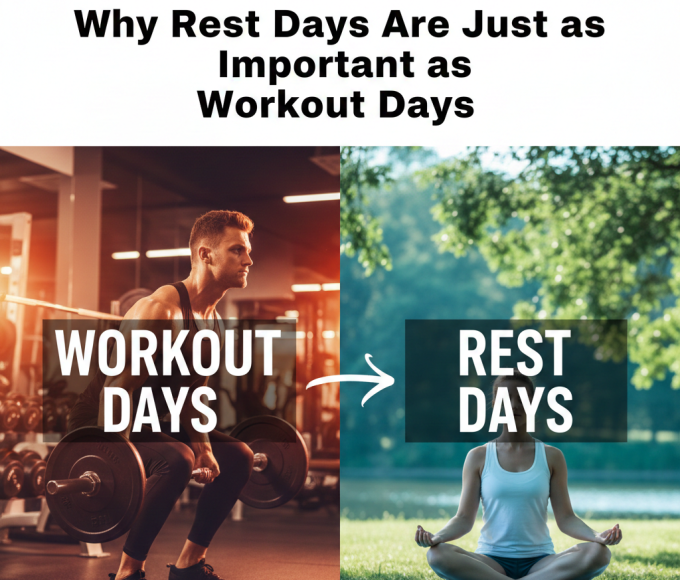
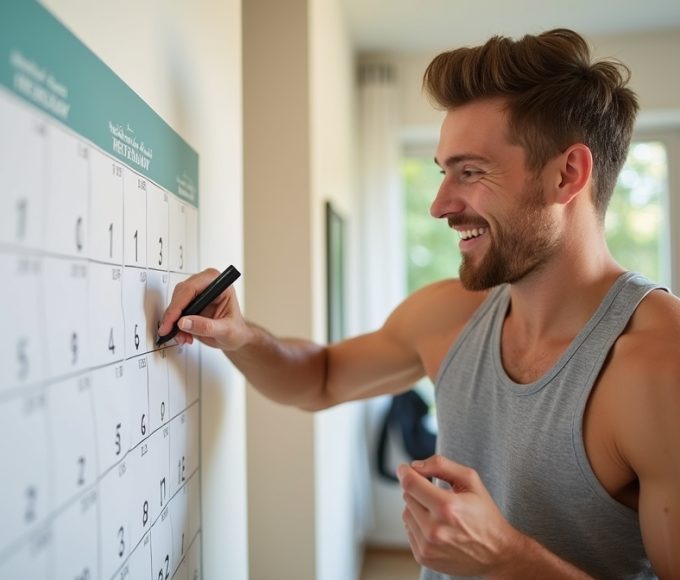
✅ Schedule rest days just like workout days.
✅ Cycle intensity — don’t train at 100% all the time.
✅ Switch it up — new exercises or playlists can re-energize you.
✅ Track recovery metrics — sleep, mood, soreness, heart rate.
✅ Set realistic goals — focus on consistency, not perfection.
When fitness becomes a lifestyle, not a punishment, burnout can’t survive.
6. Rediscovering Joy in Movement
Sometimes, burnout happens because we forget why we started.
Reconnecting with your “why”, whether it’s strength, health, or self-confidence, helps reignite your passion.
Move your body in ways that make you happy.
Celebrate small wins.
Remember: You’re not just training your body, you’re training your mindset.
Conclusion
Burnout doesn’t mean you’ve failed, it means you’ve been giving your all.
But progress isn’t about pushing harder; it’s about listening smarter.
Rest. Reset. Rediscover your love for movement.
Because fitness should make you feel alive, not exhausted.








Every one needs to manage time for exercise for self fitness
It is good and valid and enhances personal health and growth.