








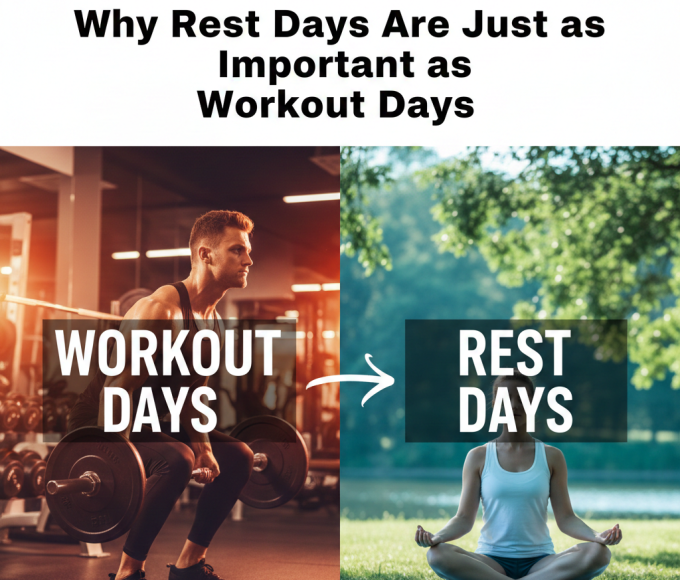







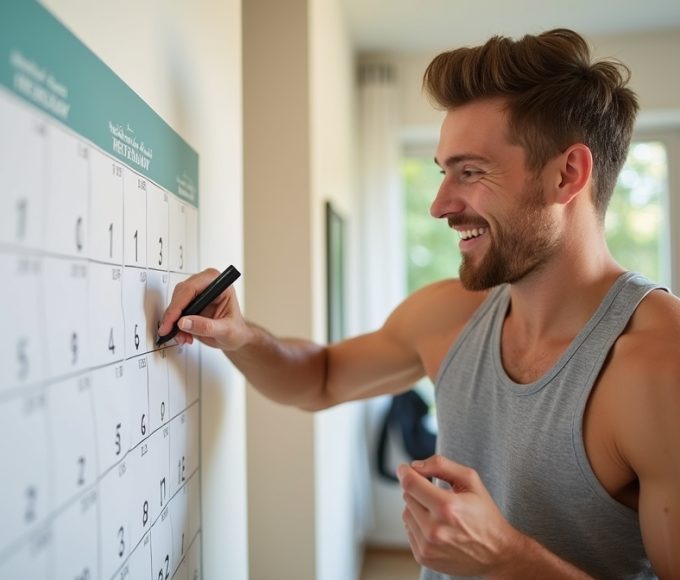



When most people think about fitness, they think about training harder — more reps, heavier weights, longer runs.
But what if the real key to growth isn’t in the grind… it’s in the rest?
Rest and recovery aren’t signs of weakness — they’re part of the plan.
Your body doesn’t get stronger while you’re training. It gets stronger after you’ve trained — when you give it time to rebuild.
This post breaks down how rest fuels your results, the science behind recovery, and how to balance training intensity with proper downtime for lasting progress.
1. Why Recovery Is the Missing Link
Every workout creates stress in your muscles, nervous system, and joints.
This controlled stress triggers adaptation — but only if you allow time for your body to recover.
When recovery is ignored, you don’t build strength — you just build fatigue.
That’s when motivation drops, performance declines, and injuries happen.
Think of it like this:
Training is the stimulus for growth.
Recovery is the process that makes growth happen.
Without recovery, there is no progress.
2. What Happens During Recovery
During rest, your body performs some amazing behind-the-scenes work:
🧬 Muscle Repair: Microtears caused by training are repaired, making muscles stronger.
💉 Hormonal Balance: Growth hormone and testosterone peak during rest.
❤️ Cardiovascular Recovery: Your heart and lungs return to baseline, improving endurance.
🧠 Nervous System Reset: Your brain and nerves recover to boost focus and coordination.
Skipping recovery means skipping these vital processes — and your body simply can’t adapt efficiently.
3. The Two Types of Recovery
💤 1. Passive Recovery
This means full rest — no exercise, no strain. Just letting your body heal.
Examples:
- Sleep (7–9 hours per night)
- Rest days
- Naps or relaxation time
🏃 2. Active Recovery
Gentle movement that keeps blood flowing without adding more stress.
Examples:
- Walking or light jogging
- Yoga or stretching
- Foam rolling or mobility drills
Both are essential. Passive recovery restores energy, while active recovery keeps your body moving and reduces soreness.
4. Signs You Need More Rest
Sometimes, your body tells you it needs recovery — you just have to listen.
Here’s what to watch for:
⚠️ Constant fatigue or heavy limbs
⚠️ Trouble sleeping
⚠️ Drop in strength or endurance
⚠️ Mood swings or irritability
⚠️ Frequent colds or injuries
If you notice two or more of these signs, take it as a red flag — your body is asking for downtime.
5. How to Optimize Your Recovery Routine
To maximize the benefits of your workouts, recovery should be part of your fitness strategy, not an afterthought.
Here’s how to do it:
✅ Prioritize Sleep: This is when most recovery happens.
✅ Eat for Healing: Include protein, complex carbs, and omega-3s.
✅ Stay Hydrated: Muscles recover faster when hydrated.
✅ Stretch Daily: Improves flexibility and circulation.
✅ Plan Rest Days: Schedule them intentionally — not just when you’re tired.
Even 1–2 full rest days per week can dramatically improve long-term progress.
6. The Mental Side of Rest
Rest isn’t just physical — it’s mental.
Overtraining can lead to mental fatigue, frustration, or even loss of interest.
Taking breaks helps you reset your mind, recharge your focus, and return with more motivation.
Remember: Sustainable fitness is built on balance, not burnout.
7. The Perfect Balance: Train Smart, Rest Smarter
The goal isn’t to train more — it’s to train better.
Your body thrives on rhythm: effort and rest, tension and release.
So instead of asking, “How much can I push?”
Ask, “How well can I recover?”
The athletes who recover best… perform best.
Conclusion
Rest and recovery aren’t time wasted — they’re time invested.
Every hour you sleep, every rest day you take, brings you closer to your goals.
Your next personal best doesn’t come from doing more —
it comes from doing what matters, and giving your body time to grow stronger.
Train hard.
Recover harder.
Progress will follow.








Ihave done.
I have done.
It is good and valid to divers people who has the similarities and the conditions