



















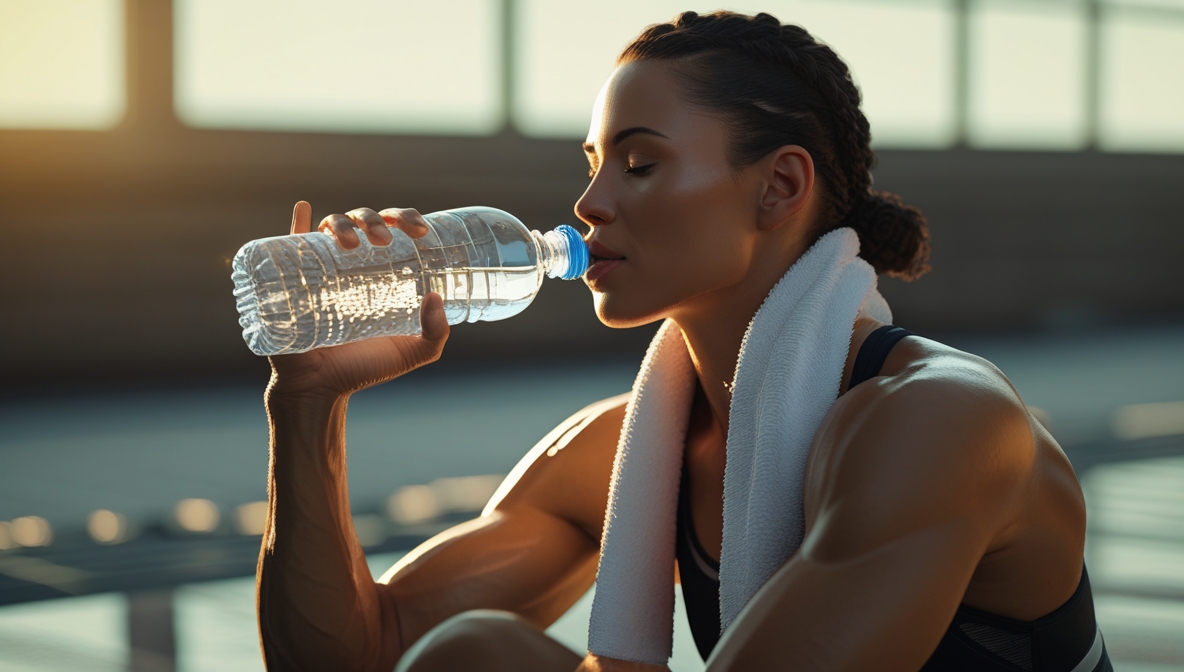
You’ve probably heard that water is essential for health.
But when it comes to fitness recovery, hydration isn’t just important — it’s everything.
From repairing muscles to improving performance and focus, water quietly powers every step of your fitness journey.
Yet, most people don’t drink enough — especially after workouts.
Let’s explore how proper hydration helps your body recover, perform better, and feel stronger — and how to make it a part of your daily routine.
1. Why Hydration Matters for Recovery
Your body is made up of about 60% water, and every cell, tissue, and organ depends on it.
When you exercise, you lose water through sweat — along with vital minerals like sodium, potassium, and magnesium.
If you don’t replace what’s lost, your body can’t recover properly.
Water helps by:
- Transporting nutrients to muscles
- Removing waste products like lactic acid
- Regulating body temperature
- Lubricating joints
- Aiding in protein synthesis
Simply put: No water = no recovery.
2. Dehydration Slows Your Progress
Even mild dehydration (as little as 2% of body weight) can have a major impact on performance.
Here’s what happens when you don’t drink enough:
⚠️ Muscle cramps and soreness increase
⚠️ Energy levels drop
⚠️ Heart rate rises faster during workouts
⚠️ Mental focus and motivation decline
You may think you’re tired from training, but often you’re just dehydrated.
3. How Much Water Do You Really Need?
There’s no one-size-fits-all answer, but here’s a good baseline:
💧 For daily hydration:
- Men: 3–4 liters (about 13–15 cups)
- Women: 2.5–3 liters (about 9–12 cups)
💧 During workouts:
- Drink 200–300 ml (about 1 cup) every 15–20 minutes
💧 After workouts:
- Drink at least 500 ml (about 2 cups) immediately post-workout
- Add electrolytes if you sweat heavily or exercise longer than an hour
Tip: Don’t wait to feel thirsty — thirst is already a sign of dehydration.
4. The Role of Electrolytes
Water alone isn’t enough after intense exercise.
When you sweat, you lose electrolytes — minerals that help your muscles contract and your heart function properly.
Replenish them with:
🥤 Coconut water
🍌 Bananas
🥗 Leafy greens
💧 Electrolyte drinks (low in sugar)
Balancing water and electrolytes ensures your body recovers faster and feels re-energized.
5. Hydration for Muscle Recovery
When your muscles are dehydrated, they become stiff, sore, and more prone to injury.
Proper hydration:
✅ Speeds up nutrient delivery to muscle tissue
✅ Flushes out metabolic waste (like lactic acid)
✅ Reduces soreness and stiffness
✅ Boosts flexibility and mobility
Think of water as your body’s internal recovery drink — simple, cheap, and incredibly effective.
6. Signs You’re Not Drinking Enough Water
Watch for these subtle (and not-so-subtle) signs of dehydration:
🚨 Dark yellow urine
🚨 Headaches or dizziness
🚨 Muscle cramps
🚨 Dry skin or lips
🚨 Fatigue or sluggishness
If you notice any of these after a workout, it’s time to hydrate — not push harder.
7. Smart Hydration Habits for Fitness Success
Make hydration a part of your daily fitness routine:
💧 Start your day with a glass of water before coffee
🏋️ Keep a bottle nearby during every workout
🍋 Add lemon or cucumber for flavor
📱 Use a hydration reminder app
🌙 Sip water before bed (not too much!)
It’s not about drinking a gallon at once — it’s about staying consistently hydrated throughout the day.
Conclusion
Recovery isn’t just about stretching and sleep — it’s also about hydration.
Every drop of water helps your body repair, rebuild, and perform at its best.
So next time you train hard, remember: your muscles aren’t fueled by energy drinks — they’re powered by water.
Stay hydrated. Stay strong.
Your progress depends on it. 💧







Leave a comment