














Most people only think about posture when they feel back pain or neck tension. But posture is much more than just standing straight. Your posture affects your breathing, strength, confidence, energy, and even how your body performs during workouts.
Bad posture can quietly slow your fitness progress and create pain over time. Good posture, on the other hand, helps your body move better, feel stronger, and stay injury free.
In this post, you will learn why posture is so important and how improving it can transform both your fitness and everyday life.
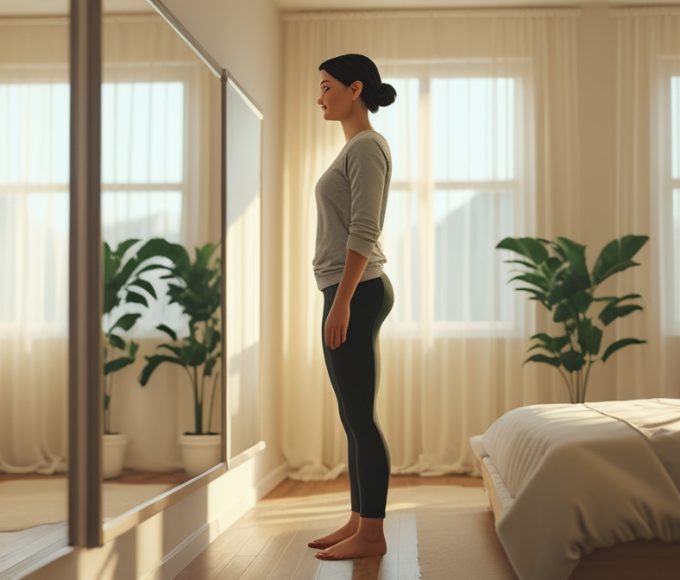
1. What Is Good Posture
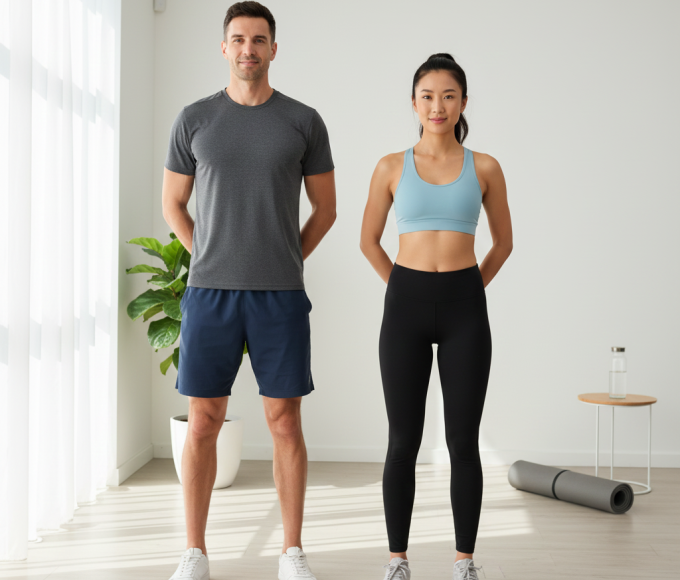
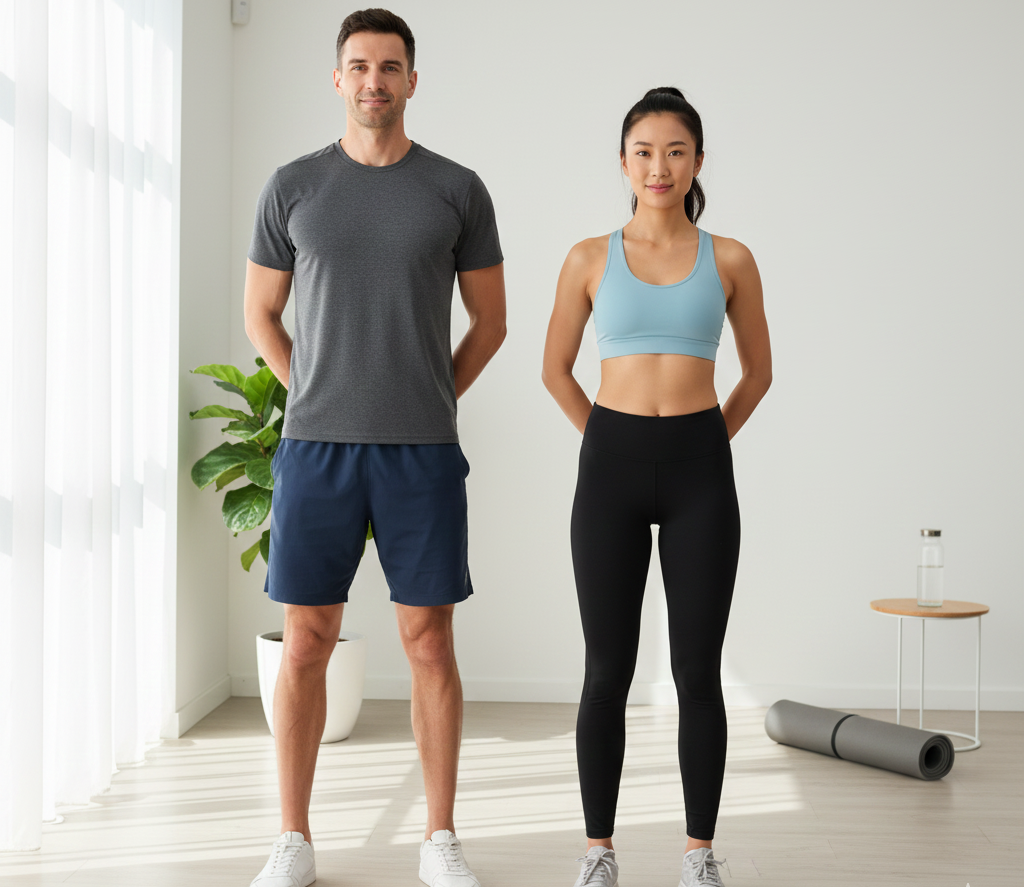
Good posture means your body is properly aligned when you are standing, sitting, or moving.
When you have good posture:
- Your head is balanced over your shoulders
- Your shoulders are relaxed, not rounded
- Your spine stays in a natural position
- Your core muscles are gently engaged
- Your hips, knees, and feet align properly
Bad posture is often caused by long hours of sitting, phone use, weak muscles, and stress.
2. How Poor Posture Affects Your Body
Poor posture does more damage than most people realize.
It can lead to:
- Back and neck pain
- Shoulder tension
- Headaches
- Weak core muscles
- Poor breathing
- Reduced flexibility
- Faster fatigue during workouts
Over time, bad posture also increases the risk of injuries because your joints and muscles are not working in proper balance.
3. Why Posture Is Important for Fitness
Good posture directly improves your workout performance.
Here is how:
- You lift weights with better form
- You breathe deeper during cardio
- Your core activates properly
- Your spine stays protected
- Your movements become more powerful
When posture is poor, your body wastes energy just trying to stay balanced. With proper posture, every movement becomes more efficient and safer.
4. Posture and Breathing Are Connected
Slouching compresses your lungs and limits oxygen intake. When your chest is closed and your shoulders are rounded, you cannot breathe deeply.
Good posture opens your chest and allows:
- Better oxygen flow
- Higher energy levels
- Improved endurance
- Less fatigue during exercise
Better breathing means better performance in every workout.
5. How Posture Affects Confidence and Mental Health
Posture does not only affect your body. It also affects your mind.
When you stand tall:
- You feel more confident
- You look more alert
- Your mood improves
- Your stress levels drop
When you constantly slouch, your brain receives signals of low energy and low confidence. Simple posture correction can improve how you feel mentally every day.
6. Simple Exercises to Improve Posture
You do not need complicated routines to fix your posture. These simple exercises help a lot when done regularly.
Wall Posture Check
Stand with your back against a wall. Keep your head, shoulders, and hips touching the wall. Hold for 30 seconds.
Shoulder Blade Squeezes
Pull your shoulders back and squeeze your shoulder blades together. Hold for 5 seconds. Repeat 10 times.
Chin Tucks
Pull your chin slightly backward while keeping your head straight. Hold for 5 seconds. Repeat 10 times.
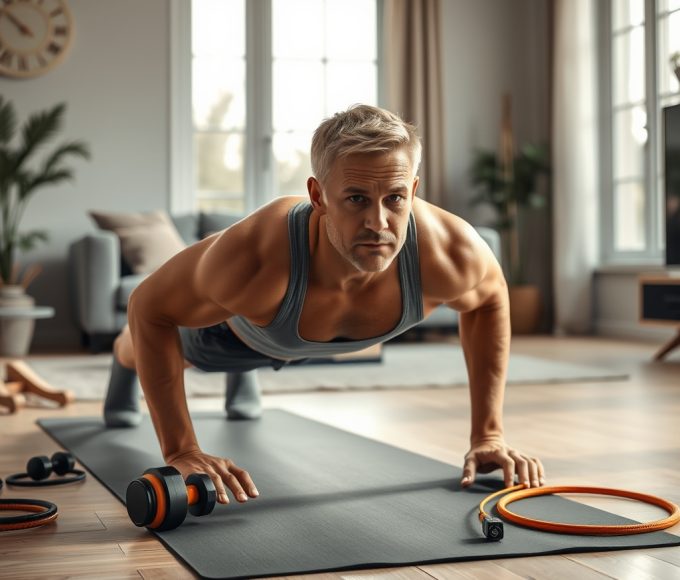
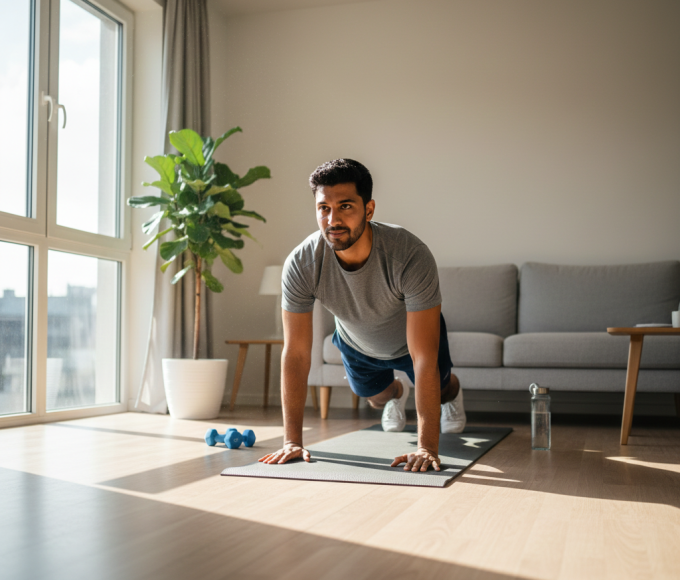
Planks
Planks strengthen your core and back, two key posture muscles.
7. Daily Habits That Improve Posture
Good posture is built through daily habits, not only workouts.
Try these:
- Sit with your feet flat on the floor
- Keep your phone at eye level
- Take standing breaks every 30 to 60 minutes
- Sleep with good pillow support
- Stretch your chest and shoulders daily
Small changes create big posture improvements over time.
Conclusion
Good posture is not just about looking straight. It affects your strength, breathing, confidence, energy, and long term health. Poor posture can lead to pain and slow fitness progress, while good posture supports your body in every movement you make.
If you want to feel stronger, move better, and reduce pain, start with your posture. Stand tall, move with control, and let your body work the way it was designed to.






Leave a comment