


















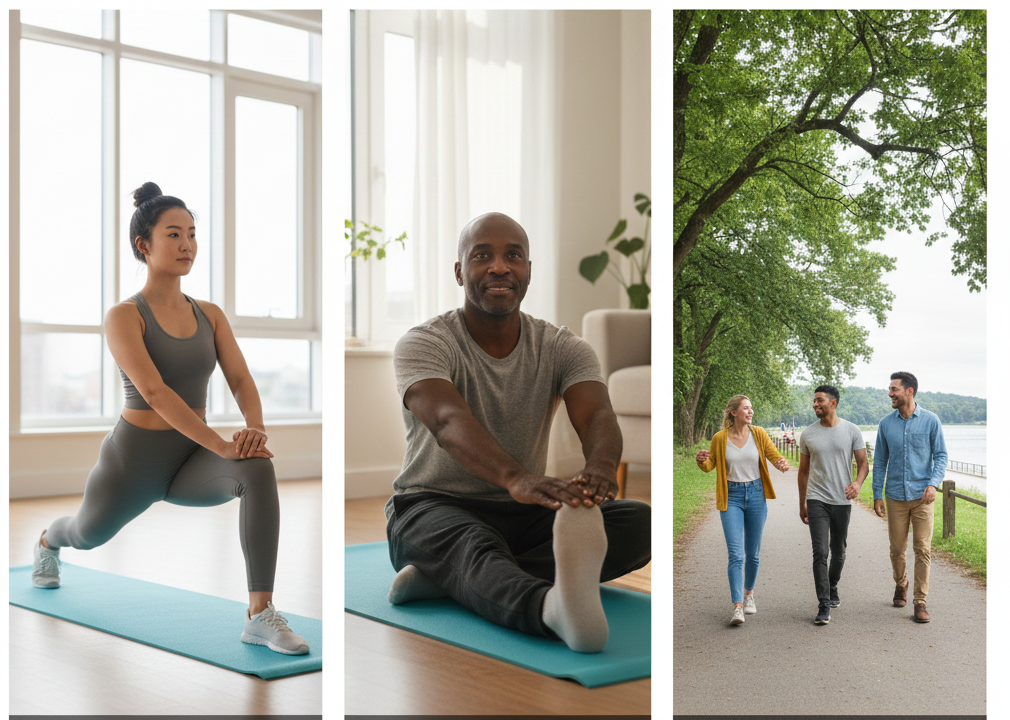
Flexibility and mobility are often ignored in fitness routines, yet they play a major role in how you move, feel, and perform daily tasks. Poor flexibility can cause stiffness, pain, and limited movement, while good mobility helps you move freely and confidently.
This guide explains how to improve flexibility and mobility safely at home, even if you are a complete beginner.
1. Flexibility vs Mobility Explained Simply
Flexibility refers to how much a muscle can stretch. Mobility refers to how well your joints move through their full range.
You need both:
- Flexibility allows muscles to lengthen
- Mobility allows joints to move freely
Together, they help you move smoothly and prevent pain.
2. Why Flexibility and Mobility Matter
Improving flexibility and mobility helps:
- Reduce joint stiffness
- Improve posture
- Prevent injuries
- Reduce muscle soreness
- Improve workout performance
- Make daily movement easier
Good mobility supports long term physical health.
3. Common Causes of Poor Mobility
Several habits reduce mobility over time:
- Long hours of sitting
- Lack of movement
- Skipping warm ups
- Poor posture
- Stress and tension
The good news is that mobility can improve at any age.
4. Best Time to Stretch
The best time to stretch is when your body is warm.
Good stretching times:
- After workouts
- After walking
- During light mobility sessions
Avoid deep stretching when muscles are cold.
5. Simple Daily Mobility Exercises
You can improve mobility with just a few minutes per day.
Try these exercises:
- Arm circles
- Hip rotations
- Cat and cow movement
- Ankle circles
- Neck mobility movements
Perform each slowly and with control.
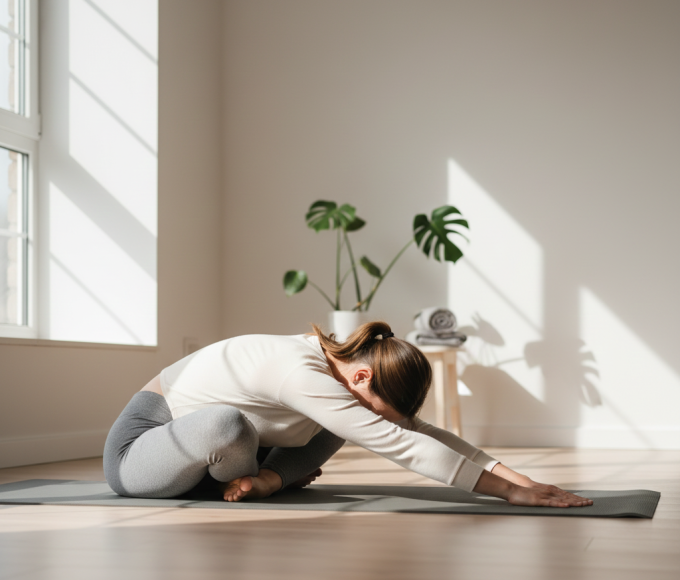
6. Flexibility Stretches for Beginners
Beginner friendly stretches include:
- Hamstring stretch
- Quad stretch
- Chest opener stretch
- Shoulder stretch
- Lower back stretch
Hold each stretch for 15 to 30 seconds without bouncing.
7. How Often Should You Stretch
For best results:
- Stretch lightly every day
- Perform longer sessions 3 to 4 times per week
- Focus on tight areas
Consistency matters more than intensity.
8. Breathing and Relaxation During Stretching
Breathing helps muscles relax.
Stretching tips:
- Breathe slowly
- Exhale during tension
- Avoid forcing movements
- Stay relaxed
Relaxed stretching improves flexibility faster.
9. Mobility and Injury Prevention
Good mobility reduces stress on joints and muscles.
When your body moves freely:
- Muscles work efficiently
- Joints stay healthy
- Balance improves
- Risk of injury decreases
Mobility is a foundation for safe exercise.
10. Tracking Flexibility Progress
Signs your flexibility is improving:
- Less stiffness
- Easier movement
- Improved posture
- Reduced pain
- Better exercise form
Progress may be slow, but it is steady.
Conclusion
Improving flexibility and mobility helps you move better, feel younger, and protect your body from injury. You do not need advanced routines or long sessions. Just a few minutes of daily stretching and mobility work can transform how your body feels.
Start small, stay consistent, and enjoy easier movement every day.







Leave a comment