












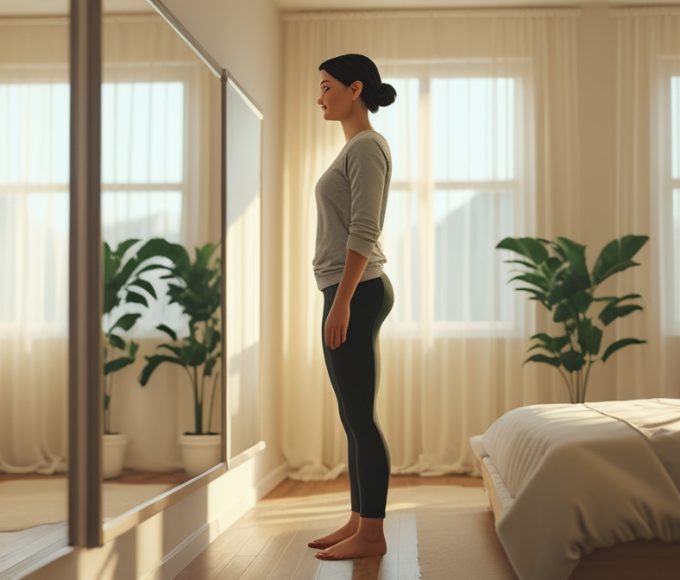









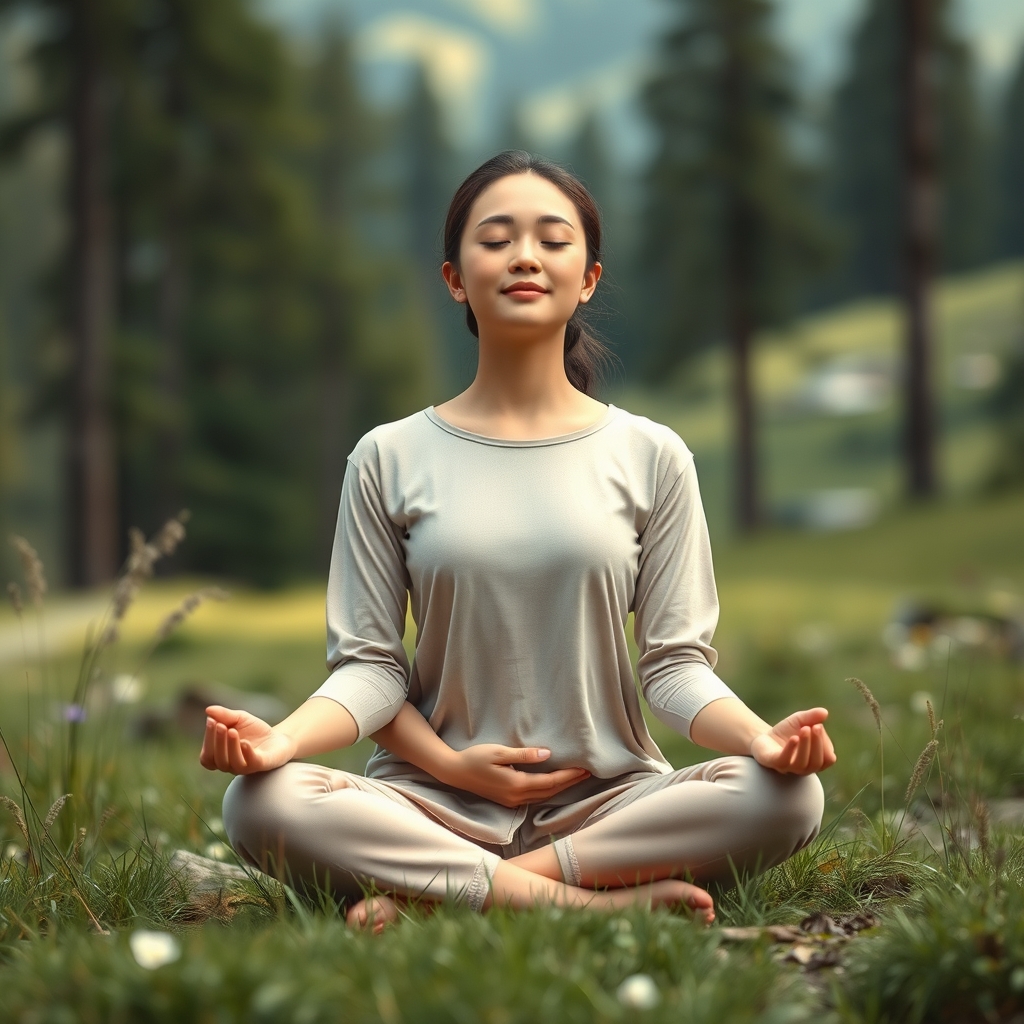
Meditation has been practiced for thousands of years, originating in ancient Eastern cultures as a means to cultivate mental, emotional, and spiritual well-being. In recent years, the Western world has begun to recognize the profound benefits of meditation for mental health, with a growing body of research supporting its positive impact on anxiety, depression, and overall well-being. At its core, meditation involves the practice of focused attention, often on the breath, a mantra, or a visualization, with the aim of achieving a state of inner calm and clarity.
The Science Behind Meditation
Studies have shown that regular meditation practice can lead to changes in the brain’s structure and function, particularly in areas related to attention, emotion regulation, and memory. The practice of meditation has been found to increase the production of neurotransmitters such as serotonin, dopamine, and endorphins, which play a crucial role in mood regulation and overall sense of well-being. Furthermore, meditation has been shown to reduce the production of stress hormones like cortisol, leading to a decrease in anxiety and stress levels.
Reducing Anxiety and Depression
Meditation has been found to be particularly effective in reducing symptoms of anxiety and depression. By teaching individuals to focus on the present moment and let go of worries about the past or future, meditation can help to break the cycle of negative thinking that often accompanies these conditions. Additionally, the practice of mindfulness, a key component of meditation, can help individuals develop a greater sense of self-awareness, allowing them to better recognize and manage their emotions.
The Benefits of Regular Meditation Practice
Regular meditation practice has been shown to have a wide range of benefits, from improved sleep quality and increased focus and concentration, to enhanced creativity and productivity. Meditation can also help to improve relationships, by increasing empathy and understanding, and reducing conflict. Moreover, the practice of meditation can lead to a greater sense of overall well-being, as individuals develop a more positive and compassionate relationship with themselves and the world around them.
Getting Started with Meditation
For those looking to start a meditation practice, it can be helpful to begin with short, daily sessions, even just a few minutes a day. There are many guided meditation apps and online resources available, which can provide a gentle introduction to the practice. It’s also important to find a quiet and comfortable space to meditate, free from distractions, where one can sit and focus on their breath. With regular practice, meditation can become a valuable tool for managing stress and anxiety, and cultivating a deeper sense of inner peace and well-being.
As we navigate the challenges of modern life, it’s becoming increasingly clear that meditation is not just a luxury, but a necessity. By incorporating meditation into our daily routine, we can take a proactive approach to maintaining our mental health, and cultivate a greater sense of resilience and well-being. Whether we’re looking to reduce stress and anxiety, or simply improve our overall quality of life, meditation offers a powerful tool for achieving our goals, and living a happier, healthier life.









Leave a comment