
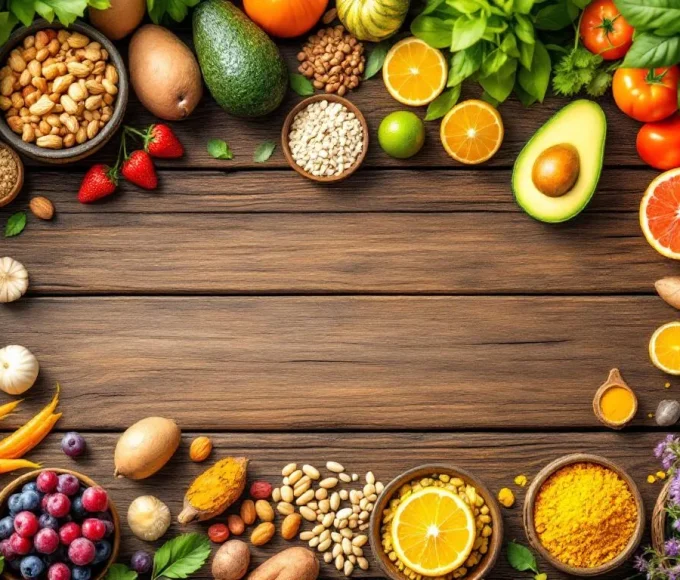


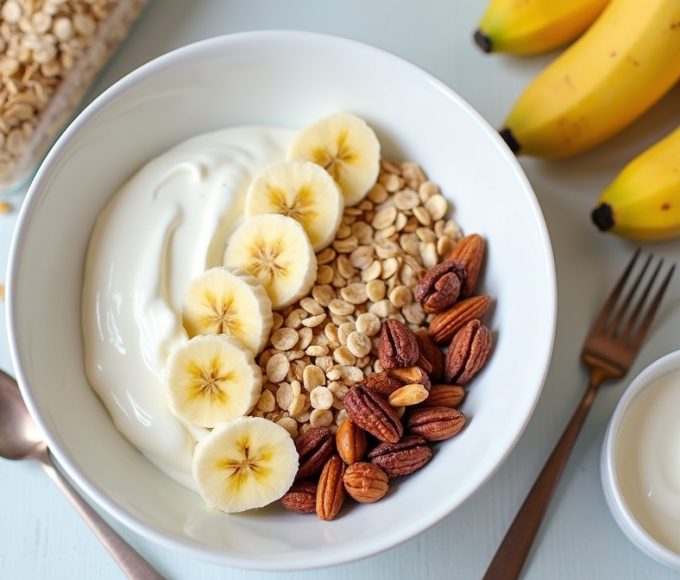



















Developing healthy eating habits is crucial for achieving and maintaining weight loss. It’s not just about cutting calories, but also about nourishing your body with the right foods to support overall health and well-being. A balanced diet that includes a variety of whole foods such as fruits, vegetables, whole grains, lean proteins, and healthy fats can help you feel full and satisfied, reducing the likelihood of overeating or making unhealthy choices.
Understanding Your Caloric Needs
To create a weight loss plan that works for you, it’s essential to understand your daily caloric needs. This can vary based on factors such as your age, sex, weight, height, and activity level. Generally, a safe and sustainable rate of weight loss is 1-2 pounds per week, which can be achieved by reducing your daily caloric intake by 500-1000 calories. However, it’s important to ensure you’re still consuming enough calories to support your bodily functions and activity level.
Macronutrient Balance
A well-balanced diet should include the right mix of macronutrients: carbohydrates, proteins, and fats. Carbohydrates provide energy, proteins support muscle growth and repair, and fats are essential for brain function and hormone production. Aim for complex carbohydrates such as whole grains, fruits, and vegetables, which are rich in fiber and nutrients. Include lean protein sources like poultry, fish, and legumes, and healthy fats found in nuts, seeds, avocados, and olive oil.
Meal Planning and Preparation
Meal planning and preparation are key to developing healthy eating habits. Start by planning your meals for the week, considering your schedule and dietary needs. Make a grocery list and stick to it, focusing on whole foods and avoiding processed and packaged items. Prep your meals in advance by chopping vegetables, cooking proteins, and assembling salads or meal bowls. This will save you time and ensure you have healthy options available when you need them.
Hydration and Mindful Eating
Staying hydrated is also important for weight loss, as sometimes thirst can be mistaken for hunger. Aim for at least eight glasses of water per day, and limit your intake of sugary drinks and caffeine. Mindful eating is another crucial aspect of healthy eating habits. Pay attention to your hunger and fullness cues, savor your food, and eat slowly. Avoid eating in front of screens or while doing other activities, as this can lead to overeating and poor food choices.
Sustainable Weight Loss Habits
Creating sustainable weight loss habits involves more than just dieting; it’s about adopting a lifestyle that supports your overall health and well-being. Incorporate physical activity into your daily routine, such as walking, jogging, cycling, or swimming. Aim for at least 150 minutes of moderate-intensity exercise per week, and include strength training to build muscle and boost metabolism. Getting enough sleep is also essential, as it helps regulate hunger hormones and supports weight loss. Aim for 7-9 hours of sleep per night and establish a consistent sleep schedule.
As you continue on your weight loss journey, remember that setbacks are a normal part of the process. Don’t be too hard on yourself if you slip up – instead, learn from your mistakes and move forward. Celebrate your successes, no matter how small they may seem, and find healthy ways to cope with stress and emotions. With time and patience, you can develop healthy eating habits and create sustainable weight loss habits that will serve you well for the rest of your life, allowing you to enjoy the journey towards a healthier, happier you.












Leave a comment