






















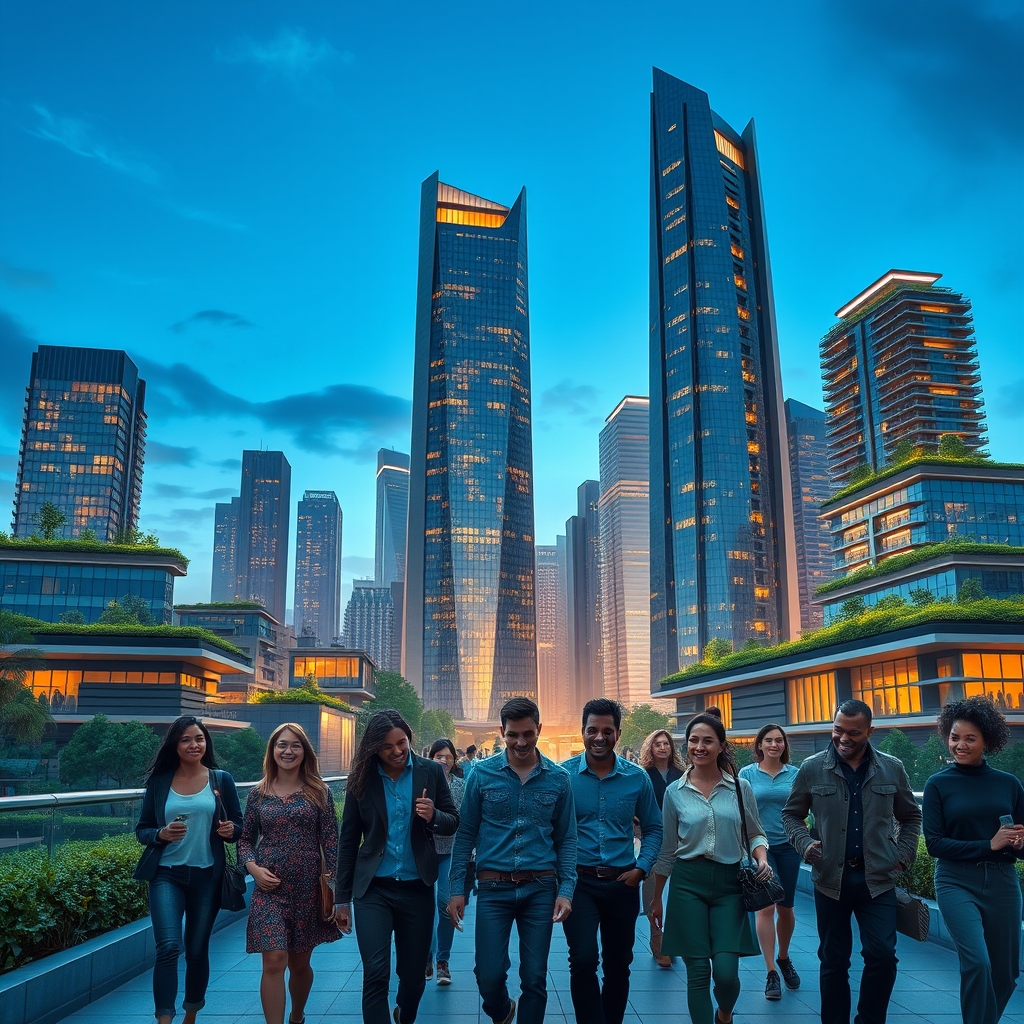
The world is shifting towards a more sustainable future, and the field of architecture is no exception. As concerns about climate change and environmental degradation continue to grow, architects and designers are being forced to rethink their approach to building design. This shift is not only driven by a sense of moral obligation but also by the realization that sustainable buildings can be more cost-effective and healthier for occupants.
The Importance of Sustainable Design
Sustainable design is about more than just reducing a building’s carbon footprint. It’s about creating structures that work in harmony with their environment, minimizing their impact on the ecosystem, and promoting the well-being of those who use them. This can involve everything from using locally sourced materials and optimizing natural light to incorporating green spaces and implementing advanced water conservation systems.
Key Principles of Sustainable Architecture
There are several key principles that underpin sustainable architecture. One of the most critical is the concept of energy efficiency. This can be achieved through the use of insulation, double-glazing, and other technologies that reduce the need for heating and cooling. Another important principle is the use of renewable energy sources, such as solar and wind power, to reduce reliance on fossil fuels.
Case Studies in Sustainable Design
There are numerous examples of sustainable buildings around the world that showcase the potential of green design. The Bullitt Center in Seattle, for instance, is often cited as one of the greenest commercial buildings in the world. It features a rooftop solar array, a rainwater harvesting system, and a unique composting toilet system. Similarly, the Amazon Spheres in Seattle are a stunning example of sustainable design, with over 40,000 plants and a fully automated climate control system that maintains a consistent temperature and humidity level.
As we move forward in this era of heightened environmental awareness, it’s clear that sustainable architecture will play a pivotal role in shaping our future. By embracing green design principles and technologies, we can create buildings that not only minimize their impact on the planet but also provide healthier, more productive spaces for occupants. This is a challenge that requires collaboration and innovation from architects, engineers, policymakers, and the broader community. However, the potential rewards are immense, and the time to act is now, as we collectively strive towards a future where our built environment is not a burden on the planet but a beacon of sustainability and harmony with nature.








Leave a comment