

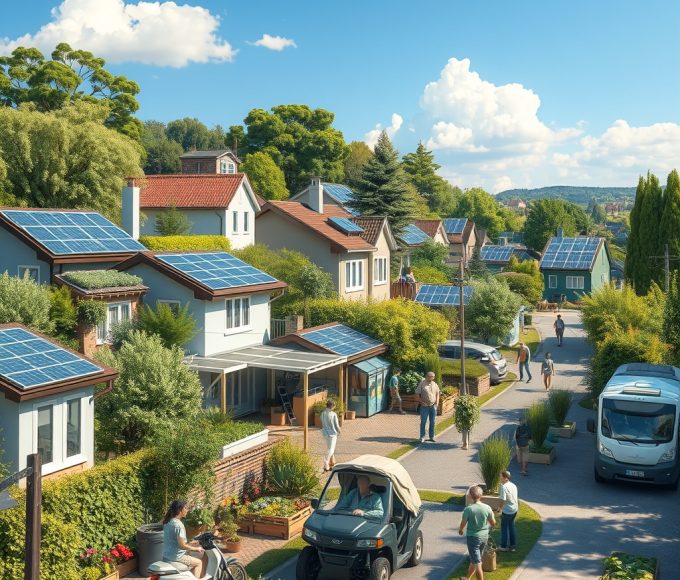

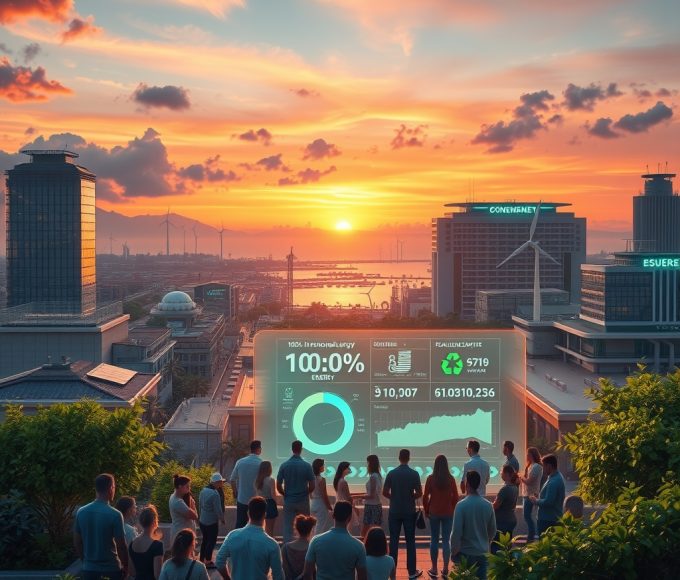


















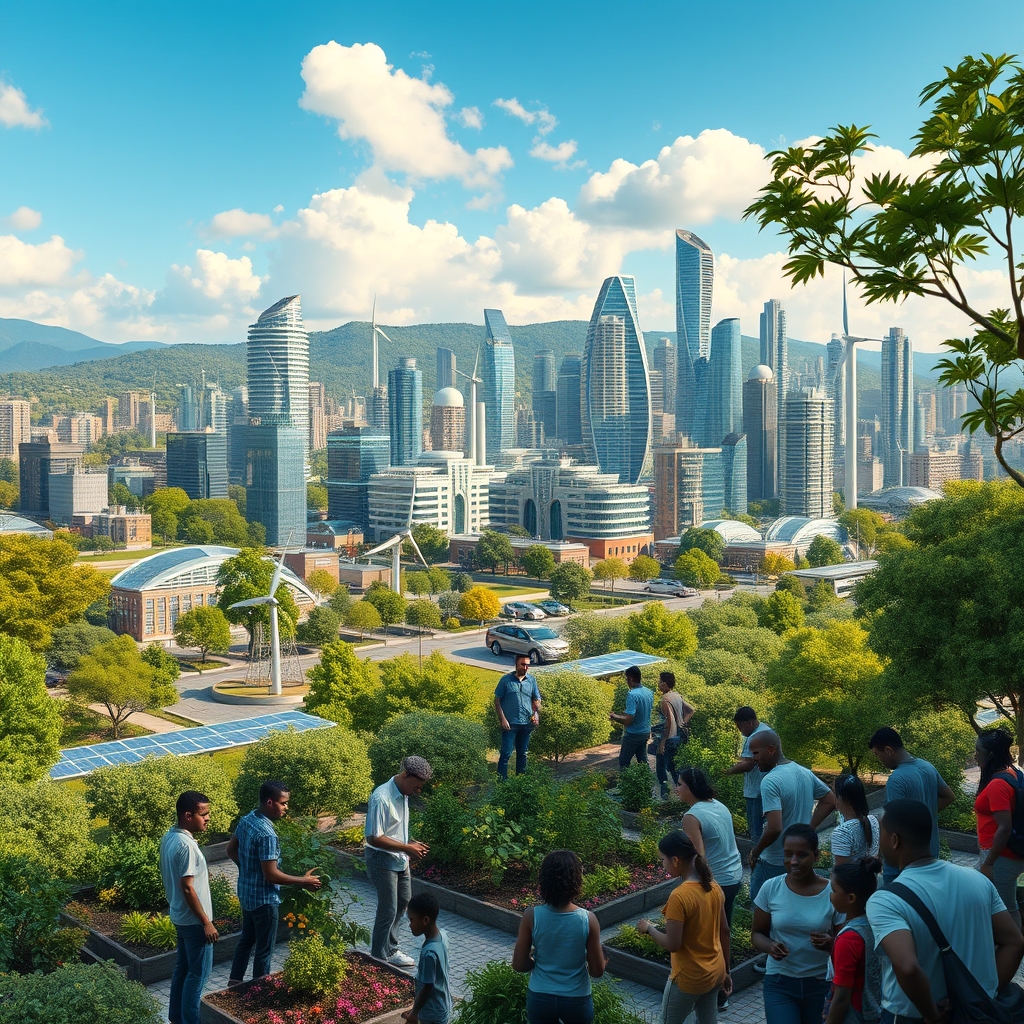
The world is at a critical juncture, facing numerous environmental challenges that threaten the very foundations of our planet. Climate change, pollution, and biodiversity loss are just a few of the pressing issues that require immediate attention and action. In recent years, the concept of sustainability has gained significant traction, as individuals, organizations, and governments begin to recognize the importance of adopting environmentally friendly practices. Sustainability is not just a buzzword, but a way of life that can help mitigate the negative impacts of human activity on the environment.
Understanding Sustainability
Sustainability is often defined as the ability to meet the needs of the present without compromising the ability of future generations to meet their own needs. This concept encompasses three key pillars: environmental, social, and economic sustainability. Environmental sustainability focuses on reducing our ecological footprint by conserving natural resources, reducing waste, and mitigating climate change. Social sustainability emphasizes the importance of social justice, equality, and human rights, while economic sustainability seeks to promote economic growth and development that is equitable and environmentally responsible.
The Benefits of Sustainability
Embracing sustainability can have numerous benefits for individuals, organizations, and society as a whole. For starters, sustainable practices can help reduce costs by conserving energy and water, minimizing waste, and promoting the use of renewable resources. Sustainability can also enhance brand reputation, increase customer loyalty, and attract top talent. Moreover, sustainable practices can contribute to improved public health, increased food security, and enhanced biodiversity. By adopting sustainable practices, we can also mitigate the risks associated with climate change, such as more frequent natural disasters, sea-level rise, and water scarcity.
Implementing Sustainable Practices
So, how can we implement sustainable practices in our daily lives? One of the simplest ways to start is by reducing our energy consumption. This can be achieved by using energy-efficient appliances, turning off lights and electronics when not in use, and insulating our homes. We can also reduce our water usage by taking shorter showers, fixing leaks, and installing low-flow fixtures. Additionally, we can reduce our waste by recycling, composting, and avoiding single-use plastics. By making these small changes, we can collectively make a significant impact on the environment.
Sustainable Technologies and Innovations
Technological innovations are playing a crucial role in promoting sustainability. Renewable energy sources, such as solar and wind power, are becoming increasingly cost-competitive with fossil fuels, enabling us to transition away from polluting energy sources. Electric vehicles are also gaining popularity, offering a cleaner alternative to traditional gasoline-powered cars. Moreover, sustainable technologies, such as green building materials, energy-efficient appliances, and smart grids, are being developed to reduce our environmental footprint. These innovations have the potential to transform industries and revolutionize the way we live, work, and interact with the environment.
Challenges and Opportunities
Despite the many benefits of sustainability, there are still significant challenges to overcome. One of the major hurdles is the high upfront costs associated with sustainable technologies and practices. Additionally, there may be a lack of awareness, education, and training on sustainable practices, making it difficult for individuals and organizations to make informed decisions. However, these challenges also present opportunities for innovation, entrepreneurship, and collaboration. By working together, we can develop new sustainable technologies, create green jobs, and promote sustainable practices that can benefit both people and the planet.
As we move forward, it is essential to recognize that sustainability is a journey, not a destination. It requires a long-term commitment to environmental stewardship, social responsibility, and economic viability. By embracing sustainability, we can create a better future for ourselves, our children, and the planet. We must continue to innovate, educate, and collaborate to address the complex environmental challenges we face, and to ensure that our actions today do not compromise the ability of future generations to thrive. The path to a greener future is not always easy, but it is a journey worth taking, and one that requires our collective effort, creativity, and dedication.











Leave a comment