






















When it comes to weight loss, many of us are guilty of seeking quick fixes and fad diets that promise rapid results. However, these methods often lead to disappointment and frustration, as the weight lost is typically short-lived. The key to achieving and maintaining a healthy weight is to adopt a sustainable lifestyle that incorporates balanced eating habits, regular physical activity, and a positive mindset.
Understanding the Importance of Sustainable Weight Loss
Sustainable weight loss is not just about reaching a certain number on the scale; it’s about adopting a holistic approach to health and wellness. By focusing on long-term lifestyle changes, you can improve your overall health, increase your energy levels, and enhance your mental wellbeing. A sustainable weight loss journey is one that is tailored to your individual needs, taking into account your unique circumstances, preferences, and goals.
Setting Realistic Expectations
One of the most significant obstacles to sustainable weight loss is unrealistic expectations. Many of us expect to lose weight quickly, often aiming to shed a substantial amount of weight in a short period. However, this approach is not only unhealthy but also unsustainable. Aiming to lose 1-2 pounds per week is a more realistic and maintainable goal, as it allows for a gradual and steady weight loss.
Nutrition and Meal Planning
A well-balanced diet is essential for sustainable weight loss. Focus on whole, unprocessed foods, including fruits, vegetables, whole grains, lean proteins, and healthy fats. Aim to include a variety of colors on your plate to ensure you’re getting a range of vitamins and minerals. Meal planning is also crucial, as it helps you stay on track and avoid last-minute, unhealthy food choices.
Hydration and Mindful Eating
Staying hydrated is vital for overall health, and it can also help with weight loss. Aim to drink at least eight glasses of water per day, and avoid sugary drinks that are high in calories. Mindful eating is another essential aspect of sustainable weight loss. Pay attention to your hunger and fullness cues, savor your food, and eat slowly. This approach will help you develop a healthier relationship with food and reduce the likelihood of overeating.
Physical Activity and Exercise
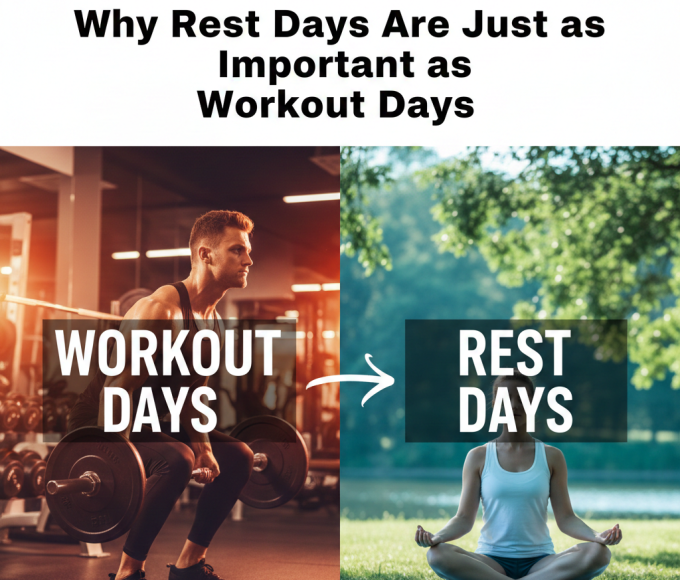
Regular physical activity is crucial for sustainable weight loss. Aim to incorporate a mix of cardio, strength training, and high-intensity interval training (HIIT) into your routine. Exercise not only helps you burn calories but also improves your overall health, increases your energy levels, and enhances your mental wellbeing. Find activities that you enjoy, and schedule them into your daily planner to ensure you stay consistent.
Getting Enough Sleep
Sleep is often overlooked as a critical component of sustainable weight loss. However, it plays a vital role in regulating hunger hormones, supporting weight regulation, and improving overall health. Aim to get 7-9 hours of sleep per night, and establish a consistent sleep schedule to help regulate your body’s internal clock.
In conclusion, sustainable weight loss is a journey that requires patience, dedication, and a willingness to adopt a holistic approach to health and wellness. By focusing on balanced eating habits, regular physical activity, and a positive mindset, you can achieve and maintain a healthy weight. Remember to set realistic expectations, stay hydrated, and get enough sleep. With time and effort, you can transform your lifestyle and achieve the weight loss results you’ve always desired. So, take the first step today, and start your journey towards a healthier, happier you.












Leave a comment