







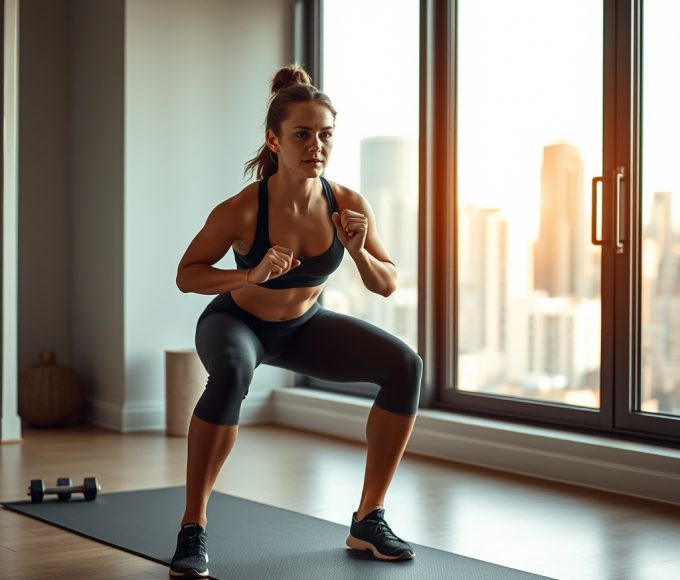



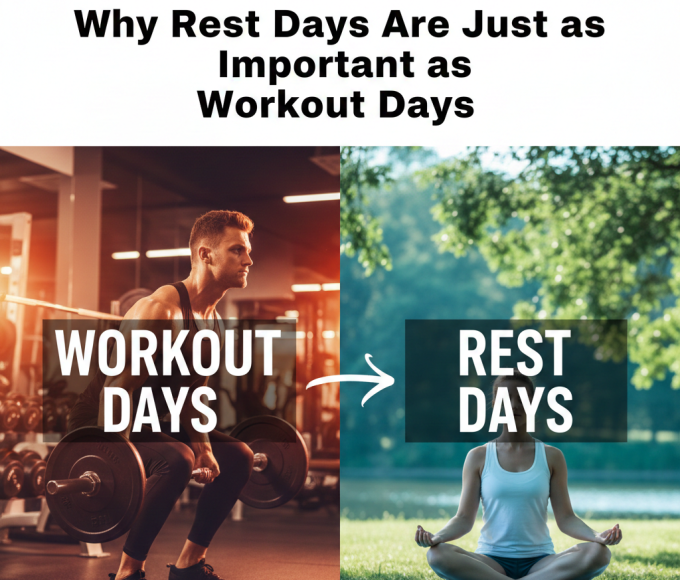

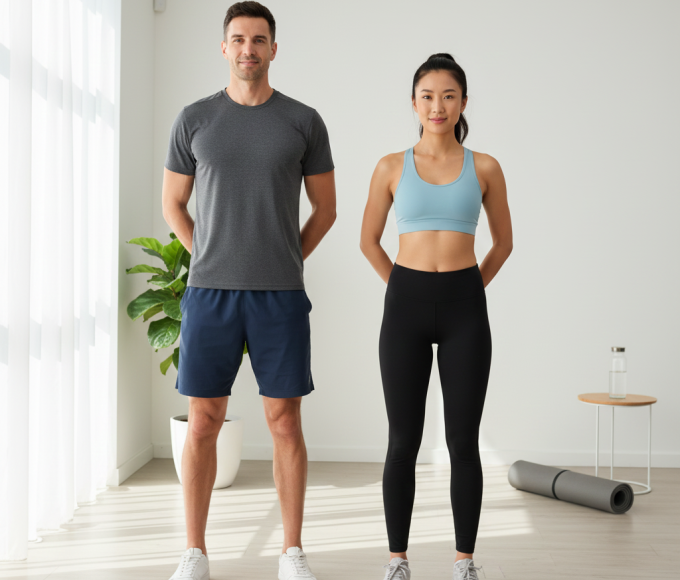
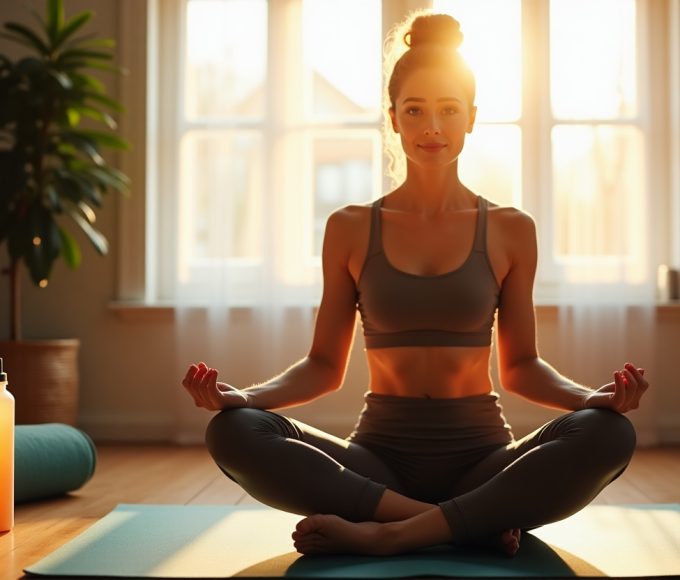
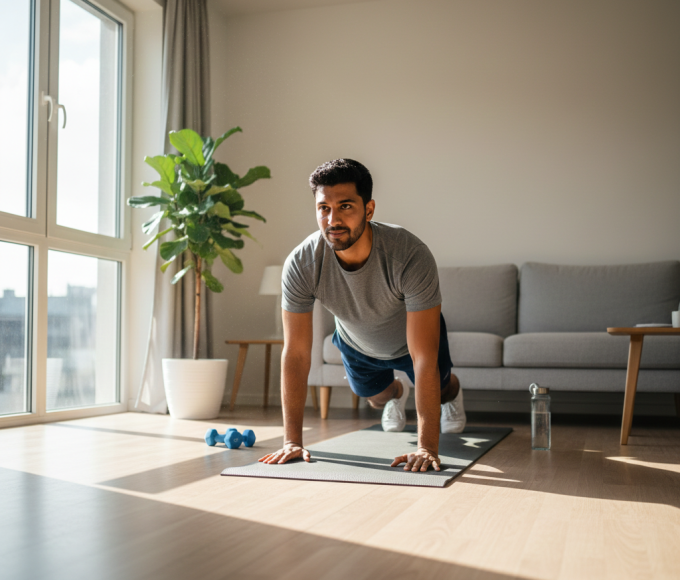



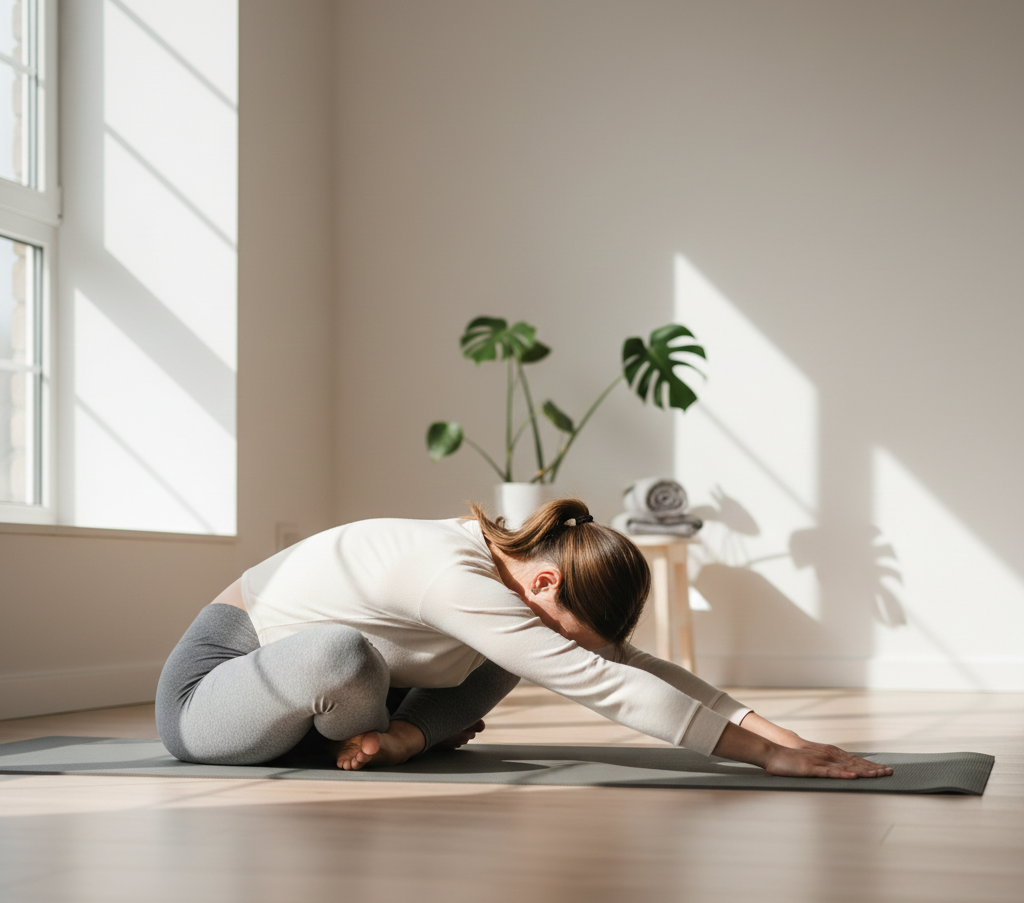
Many people focus only on workouts like cardio and strength training while ignoring stretching. Stretching may look simple, but it plays a powerful role in how your body moves, feels, and recovers. A few minutes of stretching each day can improve flexibility, reduce muscle tightness, and protect you from injuries.
Whether you are a beginner or an experienced athlete, daily stretching is one of the smartest habits you can build for long term fitness and wellness.
In this guide, you will learn why stretching matters, how it prevents injuries, and how to make it part of your daily routine.
1. What Is Flexibility and Why It Matters
Flexibility is the ability of your muscles and joints to move through their full range of motion. When your body is flexible, you move with less effort and more control.
Good flexibility helps you:
- Move more freely
- Improve posture
- Reduce muscle stiffness
- Perform exercises with better form
- Lower the risk of strains and pulls
Poor flexibility can limit your movement and increase your risk of injury.
2. How Stretching Prevents Injuries
Injuries often happen when tight muscles are forced to move suddenly. Stretching keeps your muscles long, relaxed, and ready to move.
Daily stretching helps by:
- Increasing blood flow to muscles
- Improving joint mobility
- Preparing muscles for movement
- Reducing the chance of sudden tears
- Supporting proper movement patterns
When your muscles are flexible, your body handles stress better.
3. Stretching Reduces Muscle Soreness
After workouts, muscles become tight and sore. Stretching helps release this tension and speeds up recovery.
Benefits include:
- Less stiffness the next day
- Better circulation
- Faster muscle repair
- Reduced discomfort after training
Even five to ten minutes of stretching after exercise can make a big difference in how your body feels.
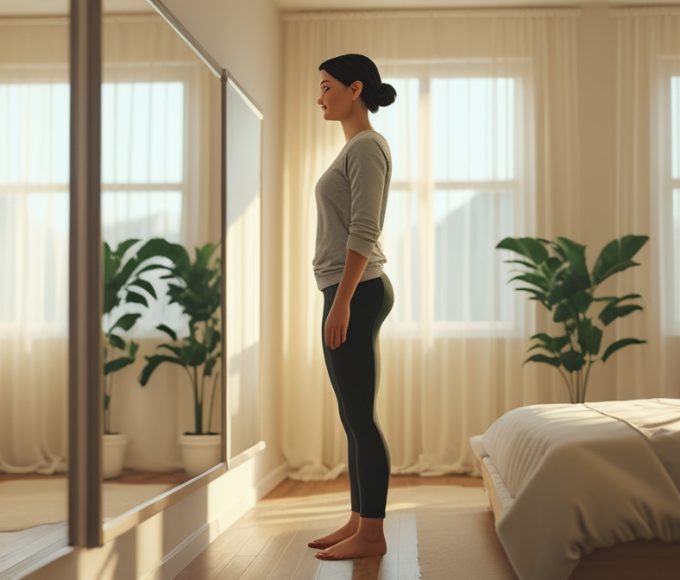
4. Stretching Improves Posture and Balance
Tight muscles often pull your body out of alignment. For example, tight chest muscles pull your shoulders forward, while tight hip muscles affect your lower back.
Stretching helps:
- Open the chest
- Relax the hips
- Align the spine
- Improve balance and coordination
Better posture leads to better movement and less pain.
5. Stretching Helps You Relax and Sleep Better
Stretching is not only physical. It also relaxes your nervous system.
Daily stretching can:
- Reduce stress
- Calm the mind
- Improve breathing
- Help you fall asleep faster
- Improve sleep quality
Stretching at night is especially helpful for relaxation.
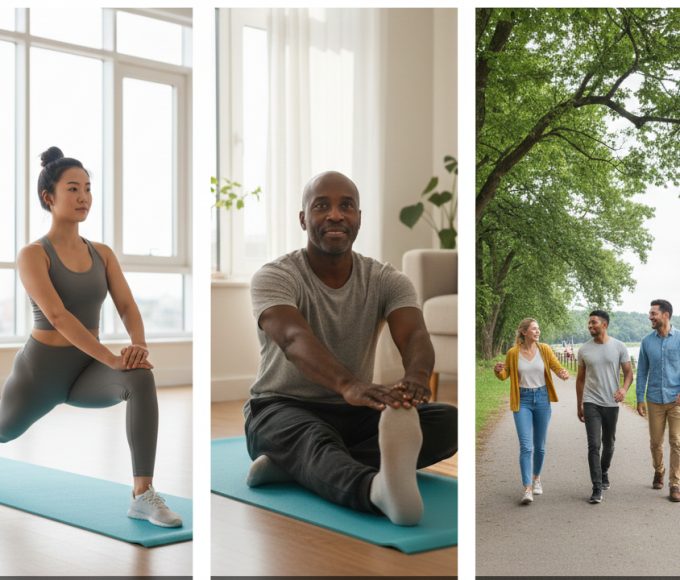
6. Simple Daily Stretching Routine for Beginners
You can follow this easy routine once per day.
Neck stretch
Tilt your head gently to each side and hold for 15 seconds.
Shoulder stretch
Pull one arm across your chest and hold for 15 seconds on each side.
Chest stretch
Clasp your hands behind your back and gently lift your arms.
Hamstring stretch
Bend forward slightly and keep your legs straight.
Hip stretch
Step one leg forward into a gentle lunge.
Hold each stretch for 15 to 30 seconds. Breathe slowly and calmly.
7. Stretching Tips for Best Results
To stretch safely and effectively:
- Never bounce during stretches
- Stretch after light movement or exercise
- Breathe deeply and slowly
- Stop if you feel sharp pain
- Be consistent every day
Flexibility improves gradually with patience and regular practice.
Conclusion
Daily stretching is one of the easiest and most powerful habits you can add to your fitness routine. It improves flexibility, prevents injuries, reduces soreness, supports posture, and helps both your body and mind relax.
You do not need long sessions or complicated routines. Just a few minutes each day can protect your body and improve how you move for years to come.








Leave a comment