

















Many people focus only on the main workout and ignore warm ups and cool downs. This is one of the biggest mistakes beginners make. Warm ups prepare your body for exercise, while cool downs help your body recover properly after training.
If you want better performance, fewer injuries, and faster progress, you must understand the importance of both warm ups and cool downs.
In this post, you will learn what warm ups and cool downs do, how they protect your body, and how to use them the right way.
1. What a Warm Up Really Does for Your Body
A warm up is a short phase of light movement before your main workout. It prepares your muscles, joints, heart, and lungs for effort.
Warm ups help to:
- Increase blood flow to muscles
- Improve flexibility and movement
- Wake up your nervous system
- Improve coordination
- Reduce stiffness
When your body is warm, it performs better and safer.
2. What Happens When You Skip a Warm Up
Skipping warm ups puts your body at risk.
Common problems include:
- Muscle strains
- Joint pain
- Poor balance
- Weak performance
- Early fatigue
Cold muscles tear more easily. Warm muscles stretch and move safely.
3. Simple Warm Up Routine for Beginners
You do not need long warm ups. Five to eight minutes is enough.
A simple warm up can include:
- Marching in place
- Arm circles
- Shoulder rolls
- Hip rotations
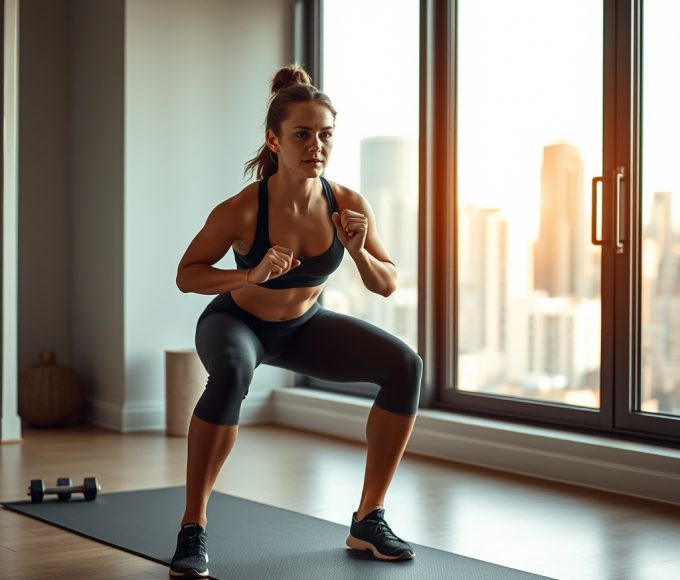
- Gentle squats
This light movement prepares your whole body for action.
4. What a Cool Down Does After Your Workout
A cool down is the slow transition from exercise back to rest. It helps your body return to normal safely.
Cool downs help to:
- Lower your heart rate gradually
- Reduce dizziness
- Flush out waste products from muscles
- Reduce muscle tightness
- Improve recovery
Stopping suddenly without a cool down can make you feel weak and uncomfortable.
5. What Happens When You Skip a Cool Down
Without cool downs, you may experience:
- Dizziness
- Heavy breathing for longer than necessary
- Muscle stiffness
- Increased soreness
- Slower recovery
A proper cool down allows your body to reset smoothly.
6. Simple Cool Down Routine for Beginners
A good cool down lasts five to ten minutes.
You can include:
- Slow walking
- Deep breathing
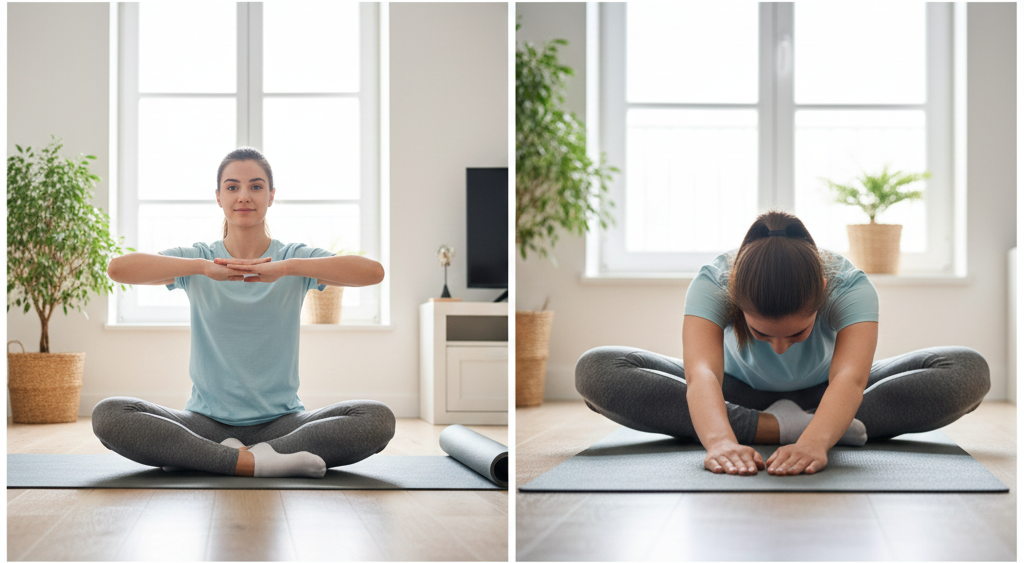
- Gentle stretching for legs
- Light stretching for arms and back
- Relaxed neck movements
Stretching during a cool down helps keep your muscles flexible and relaxed.
7. Warm Up vs Cool Down Differences
Warm up:
- Comes before exercise
- Increases heart rate
- Activates muscles
- Prepares your body for work
Cool down:
- Comes after exercise
- Gradually lowers heart rate
- Relaxes muscles
- Helps recovery
Both are different, but both are equally important.
8. How Warm Ups and Cool Downs Improve Long Term Progress
When you use proper warm ups and cool downs:
- You get injured less
- You move better
- You recover faster
- You stay consistent
- You enjoy workouts more
Consistency and safety are the foundation of long term fitness success.
Conclusion
Warm ups and cool downs are not extra or optional. They are essential parts of every effective workout. Warm ups prepare your body for movement. Cool downs help your body recover and relax.
If you want to train smarter, avoid injuries, and see better results, never skip your warm ups and cool downs again.











Leave a comment