




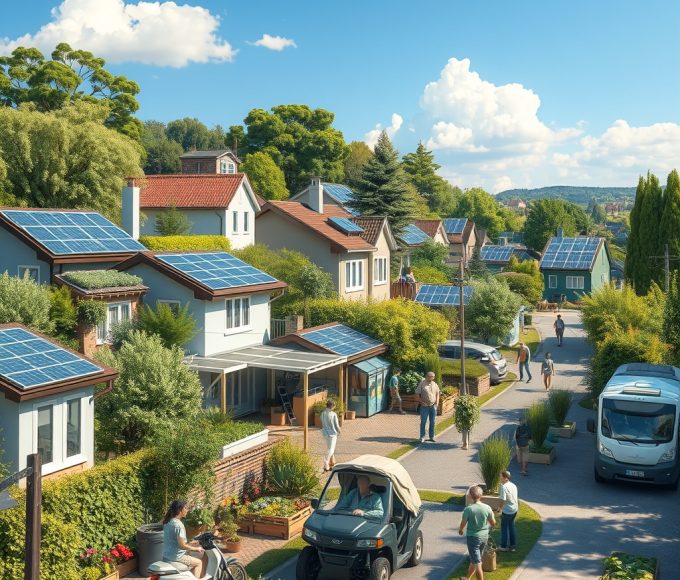


















The world is at a crossroads, faced with the daunting task of balancing economic growth with environmental sustainability. As the global population continues to rise, so does the demand for resources, leading to increased greenhouse gas emissions, deforestation, and pollution. It is imperative that we adopt sustainable practices to mitigate the effects of climate change and ensure a livable future for generations to come.
The Importance of Sustainability
Sustainability is not just a buzzword, but a necessary approach to managing the world’s resources. It involves meeting the needs of the present without compromising the ability of future generations to meet their own needs. This concept encompasses three key pillars: environmental, social, and economic sustainability. By adopting sustainable practices, we can reduce our carbon footprint, conserve natural resources, and promote social justice.
Environmental Sustainability
Environmental sustainability is critical to maintaining the health of our planet. This involves reducing our reliance on fossil fuels, increasing the use of renewable energy sources, and implementing sustainable agriculture practices. By doing so, we can decrease greenhouse gas emissions, protect biodiversity, and preserve ecosystems. Governments, corporations, and individuals must work together to develop and implement sustainable environmental policies and practices.
Social Sustainability
Social sustainability is equally important, as it involves promoting social justice, human rights, and community development. This includes ensuring fair labor practices, providing access to education and healthcare, and supporting local communities. By prioritizing social sustainability, we can create a more equitable and just society, where everyone has the opportunity to thrive.
Implementing Sustainable Practices
So, how can we implement sustainable practices in our daily lives? One of the simplest ways is to reduce our energy consumption by using energy-efficient appliances, turning off lights and electronics when not in use, and insulating our homes. We can also reduce our water usage by taking shorter showers, fixing leaks, and using low-flow fixtures. Additionally, we can reduce our waste by recycling, composting, and avoiding single-use plastics.
Sustainable Transportation
Transportation is a significant contributor to greenhouse gas emissions, with the majority of emissions coming from passenger vehicles. To reduce our carbon footprint, we can switch to electric or hybrid vehicles, use public transportation, or carpool. We can also invest in sustainable infrastructure, such as bike lanes and pedestrian-friendly roads. By making these changes, we can reduce our reliance on fossil fuels and promote cleaner, healthier transportation options.
As we move forward, it is essential that we prioritize sustainability in all aspects of our lives. By adopting sustainable practices, we can mitigate the effects of climate change, promote social justice, and ensure a livable future for generations to come. The future of our planet depends on our ability to work together to create a more sustainable world, and it is up to each of us to take action and make a positive impact. By doing so, we can create a world that is not only sustainable but also equitable, just, and thriving for all.










Leave a comment