




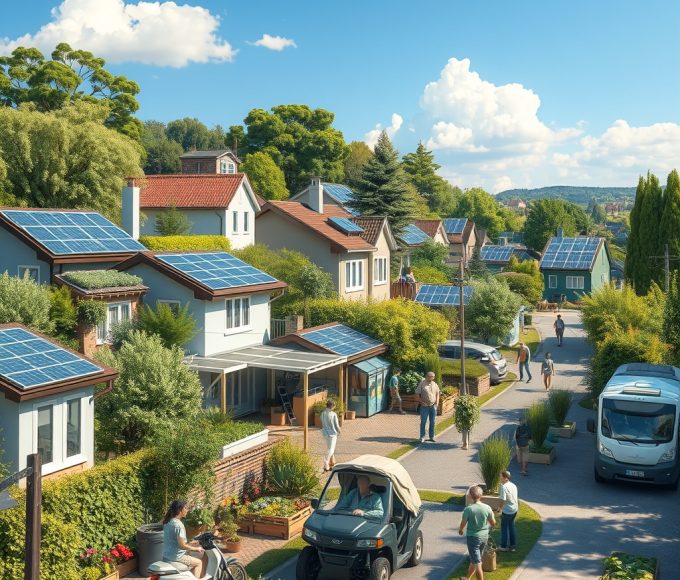


















The world is at a critical juncture, where the impact of human activities on the environment has become a pressing concern. Climate change, pollution, and biodiversity loss are just a few of the many issues that demand immediate attention and action. In response, individuals, organizations, and governments are increasingly embracing sustainability as a way to mitigate these problems and create a better future for all.
Understanding Sustainability
Sustainability is often misunderstood as merely an environmental issue, but it encompasses social and economic dimensions as well. It’s about meeting the needs of the present without compromising the ability of future generations to meet their own needs. This concept is rooted in the idea that our actions today should not harm the planet or its inhabitants, ensuring that we leave a healthy, thriving world for those who come after us.
The Environmental Aspect
The environmental aspect of sustainability focuses on conserving natural resources, reducing pollution, and protecting biodiversity. This includes efforts to combat climate change by reducing greenhouse gas emissions, investing in renewable energy sources, and promoting sustainable land use practices. Individuals can contribute by adopting eco-friendly habits such as recycling, using public transport, or driving electric vehicles.
Social Sustainability
Social sustainability is about ensuring that the needs of all people are met, regardless of their background, race, gender, or socioeconomic status. It involves promoting social justice, equality, and human rights. This aspect of sustainability recognizes that a healthy and prosperous society is essential for a sustainable future. It includes initiatives to improve access to education, healthcare, and fair employment opportunities.
Economic Sustainability
Economic sustainability refers to the use of resources in a way that maintains their availability for future generations. It’s about adopting business models and practices that are not only profitable but also environmentally and socially responsible. This can involve sustainable supply chain management, ethical consumerism, and investing in renewable energy and technology that supports sustainability.
Implementing Sustainable Practices
Implementing sustainable practices requires a multifaceted approach that involves governments, businesses, and individuals. Governments can set policies and regulations that support sustainability, such as tax incentives for green technologies or laws that protect natural habitats. Businesses can adopt sustainable production methods, reduce waste, and promote eco-friendly products. Individuals can make conscious choices in their daily lives, from the food they eat to the products they buy, to support sustainable living.
Education plays a crucial role in promoting sustainability. By incorporating environmental and social education into school curricula, we can raise awareness and inspire future generations to become sustainability champions. Community engagement and participation are also vital, as they foster a sense of responsibility and encourage collective action towards a common goal.
Technological innovation is another key driver of sustainability. Advances in fields like renewable energy, biotechnology, and information technology are providing new tools and solutions to environmental challenges. For example, smart grids can optimize energy distribution, reducing waste and increasing the efficiency of renewable energy sources. Similarly, precision agriculture can help reduce the use of pesticides and fertilizers, promoting more sustainable farming practices.
The journey towards a sustainable future is complex and challenging, but it’s also filled with opportunities. As we navigate this path, we must recognize that sustainability is not a destination but a continuous process of improvement and adaptation. It requires ongoing learning, innovation, and collaboration. By embracing sustainability, we not only ensure a healthier planet but also create a more equitable and prosperous society for all. As we move forward, the choices we make today will shape the world of tomorrow, making it imperative that we choose wisely and act with the future in mind, striving to leave a lasting legacy that benefits generations to come.










Leave a comment