











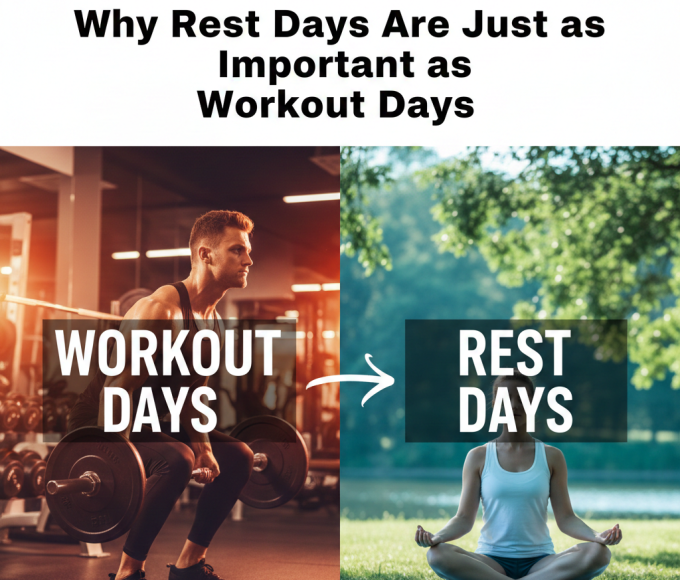










With the rise of home workouts, it’s become increasingly clear that you don’t need a gym membership to achieve your fitness goals. Bodyweight training and cardio exercises can be just as effective, if not more so, than traditional gym workouts. The key to success lies in creating a well-structured exercise routine that incorporates a variety of movements to target different muscle groups and improve cardiovascular health.
Understanding the Benefits of Bodyweight Training
Bodyweight training, also known as calisthenics, involves using your own body weight as resistance to build strength and endurance. This form of exercise has numerous benefits, including increased flexibility, improved balance, and enhanced overall physical fitness. Additionally, bodyweight training can be modified to suit different fitness levels, making it an accessible option for individuals of all ages and abilities.
Key Principles of Effective Bodyweight Training
To get the most out of your bodyweight training routine, it’s essential to focus on proper form and technique. This includes engaging your core, maintaining good posture, and using slow, controlled movements to avoid injury. It’s also crucial to incorporate a variety of exercises that target different muscle groups, such as push-ups, squats, lunges, and planks.
Cardio Fitness: The Importance of Aerobic Exercise
Cardio fitness is a critical component of any exercise routine, as it helps improve cardiovascular health, increase stamina, and boost overall fitness levels. Aerobic exercises, such as running, cycling, or swimming, are excellent ways to improve cardiovascular health, while high-intensity interval training (HIIT) can be used to enhance anaerobic endurance. For those who prefer to work out at home, bodyweight cardio exercises like burpees, jump squats, and mountain climbers can be just as effective.
Creating a Balanced Exercise Routine
A well-structured exercise routine should include a combination of bodyweight training and cardio exercises to ensure overall fitness and wellness. It’s essential to start slowly and gradually increase the intensity and duration of your workouts as you become more comfortable with the exercises and build endurance. Aim to incorporate at least 150 minutes of moderate-intensity aerobic exercise, or 75 minutes of vigorous-intensity aerobic exercise, into your weekly routine, along with two to three strength-training sessions that target all major muscle groups.
Staying Motivated and Tracking Progress
Staying motivated and tracking progress are crucial components of any successful exercise routine. Consider investing in a fitness tracker or mobile app to monitor your workouts, set goals, and track your progress. You can also find workout buddies or join online fitness communities to stay motivated and inspired. Remember to reward yourself for reaching milestones and celebrate small victories along the way to maintain a positive and motivated mindset.
As you continue on your fitness journey, it’s essential to listen to your body and make adjustments as needed. With patience, persistence, and dedication, you can master the art of bodyweight training and cardio at home, achieving a stronger, healthier, and more resilient you. By embracing the principles of fitness and wellness, you’ll be well on your way to unlocking your full potential and living a happy, healthy, and active lifestyle, where every day is an opportunity to grow, learn, and thrive.








Leave a comment