




















With the ever-growing emphasis on health and wellness, it’s no surprise that fitness has become a cornerstone of modern life. For many, the gym is the go-to destination for a good workout, but what about those who prefer the comfort and convenience of their own homes? This is where bodyweight training comes into play, offering a versatile, effective, and sustainable way to achieve fitness goals without the need for expensive equipment or gym memberships.
Understanding Bodyweight Training
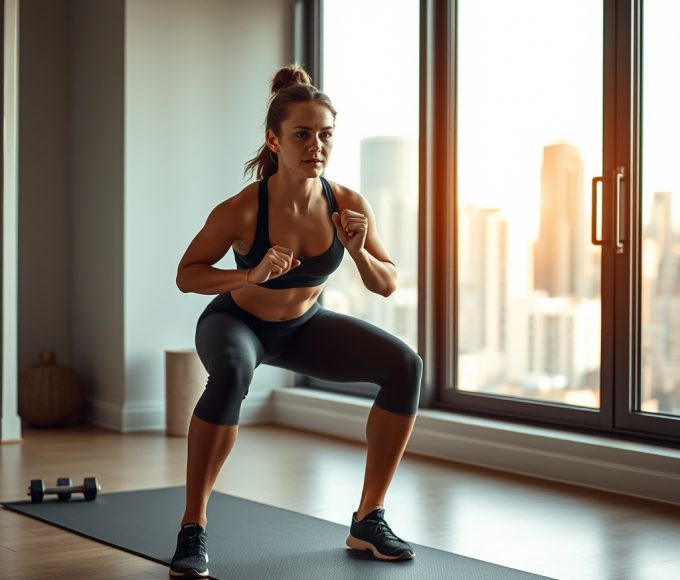
Bodyweight training, as the name suggests, involves using one’s own body weight as resistance to build strength, endurance, and flexibility. It encompasses a wide range of exercises, from simple push-ups and squats to more complex movements like single-leg squats and plyometric exercises. The beauty of bodyweight training lies in its accessibility; it can be done anywhere, at any time, making it an ideal choice for those with busy schedules or who prefer working out in the privacy of their own homes.
Benefits of Bodyweight Training
The benefits of bodyweight training are multifaceted. Not only does it improve muscular strength and endurance, but it also enhances cardiovascular fitness, boosts metabolism, and supports weight loss. Furthermore, bodyweight exercises often engage multiple muscle groups simultaneously, which can lead to improved coordination, balance, and overall physical fitness. Another significant advantage is the low risk of injury, as bodyweight exercises tend to be lower-impact compared to weightlifting or high-intensity cardio workouts.
Creating an Effective Bodyweight Training Routine
Developing an effective bodyweight training routine requires a bit of planning and dedication. It’s essential to start with a thorough assessment of your current fitness level to determine the most appropriate exercises and intensity. Beginners might begin with basic exercises like push-ups, squats, lunges, and planks, gradually increasing the difficulty as they progress. Incorporating variety is also key to avoiding plateaus and preventing overuse injuries. This can be achieved by alternating between upper body, lower body, and core-focused workouts, and incorporating different types of exercises such as isometric holds, dynamic movements, and plyometric exercises.
Integrating Cardio Fitness
While bodyweight training is excellent for building strength and endurance, incorporating cardio fitness into your routine is crucial for a well-rounded fitness regimen. Cardio exercises, such as jogging, cycling, or swimming, are essential for improving heart health, enhancing stamina, and supporting fat loss. For those who prefer to stay within the realm of bodyweight training, high-intensity interval training (HIIT) workouts can provide an effective cardio boost. HIIT involves short bursts of high-intensity exercise followed by brief periods of rest, which can be applied to bodyweight exercises like burpees, jump squats, and mountain climbers.
Sustaining Motivation and Consistency
Motivation and consistency are the pillars of any successful fitness journey. To sustain motivation, it’s helpful to set clear, achievable goals and track progress. This could involve taking regular body measurements, monitoring workout performance, or simply paying attention to how your body feels. Consistency, on the other hand, can be maintained by incorporating your workouts into your daily routine, much like brushing your teeth or taking a shower. Finding a workout buddy or joining a fitness community can also provide an added motivation and sense of accountability.
As we navigate our unique fitness journeys, it’s important to remember that fitness is not a destination, but a continuous process of growth and self-improvement. By embracing bodyweight training and cardio fitness, and focusing on sustainable, long-term progress rather than quick fixes, we can cultivate a healthier, more resilient version of ourselves. This mindset shift, from viewing fitness as a chore to embracing it as a integral part of our lifestyle, is what truly unlocks the potential of bodyweight training and paves the way for a lifelong commitment to wellness and active living.








Leave a comment